

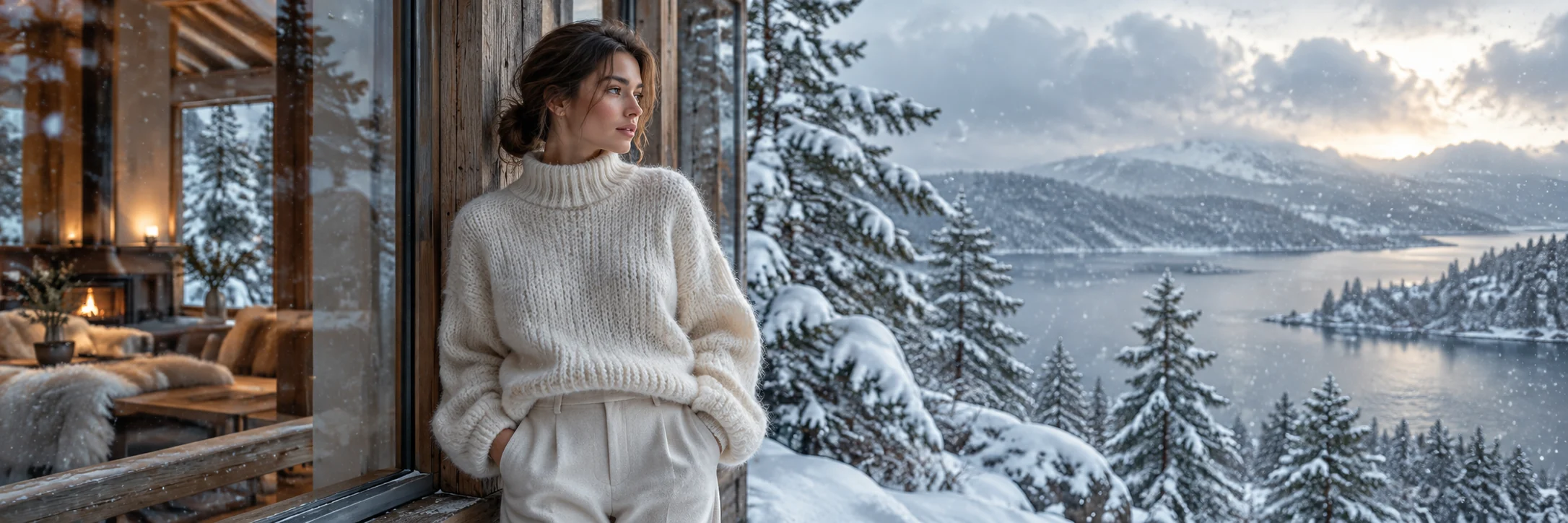
We had three days, one location and a forecast that said “clear”. By the first morning the road to the lake was closed and the snow was coming sideways. This is the story of Nordic Thread — what went wrong, what we kept, and why the frames everyone remembers came from the day we nearly cancelled.
The plan, and the forecast
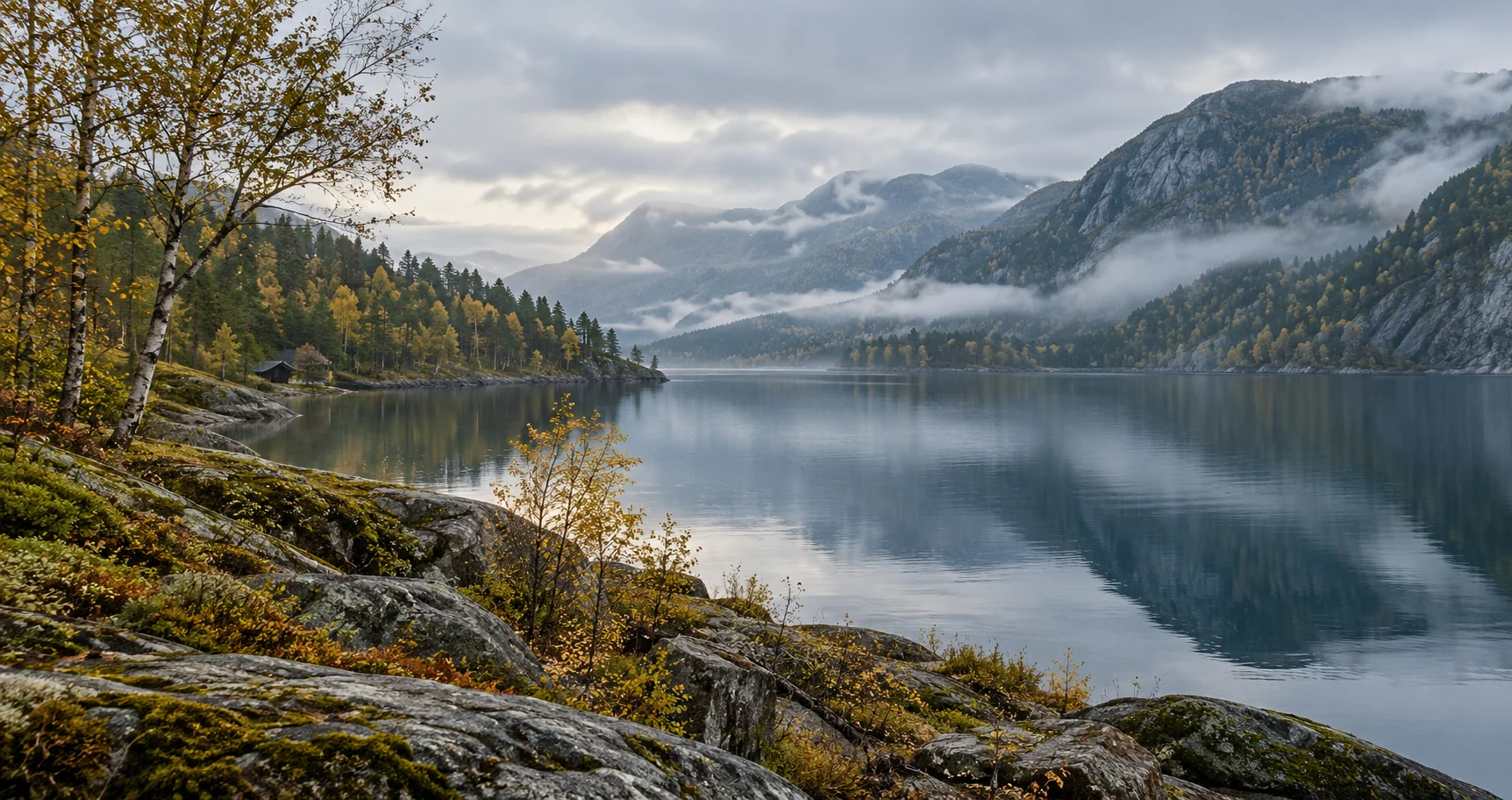
The brief was simple: a calm, almost quiet spring campaign. Pale light, wool in the wind, nobody trying too hard. We scouted in September, booked a cabin that could double as a studio, and built the shot list around soft morning light on the water.
Day one: everything moves
At 6:40 the producer called: road closed, earliest opening at noon. We had two options — wait, or shoot what we had. We turned the cabin into a set, moved the light kit to the windows and let the snow be the backdrop.
“The weather wasn’t the problem. Our shot list was.”
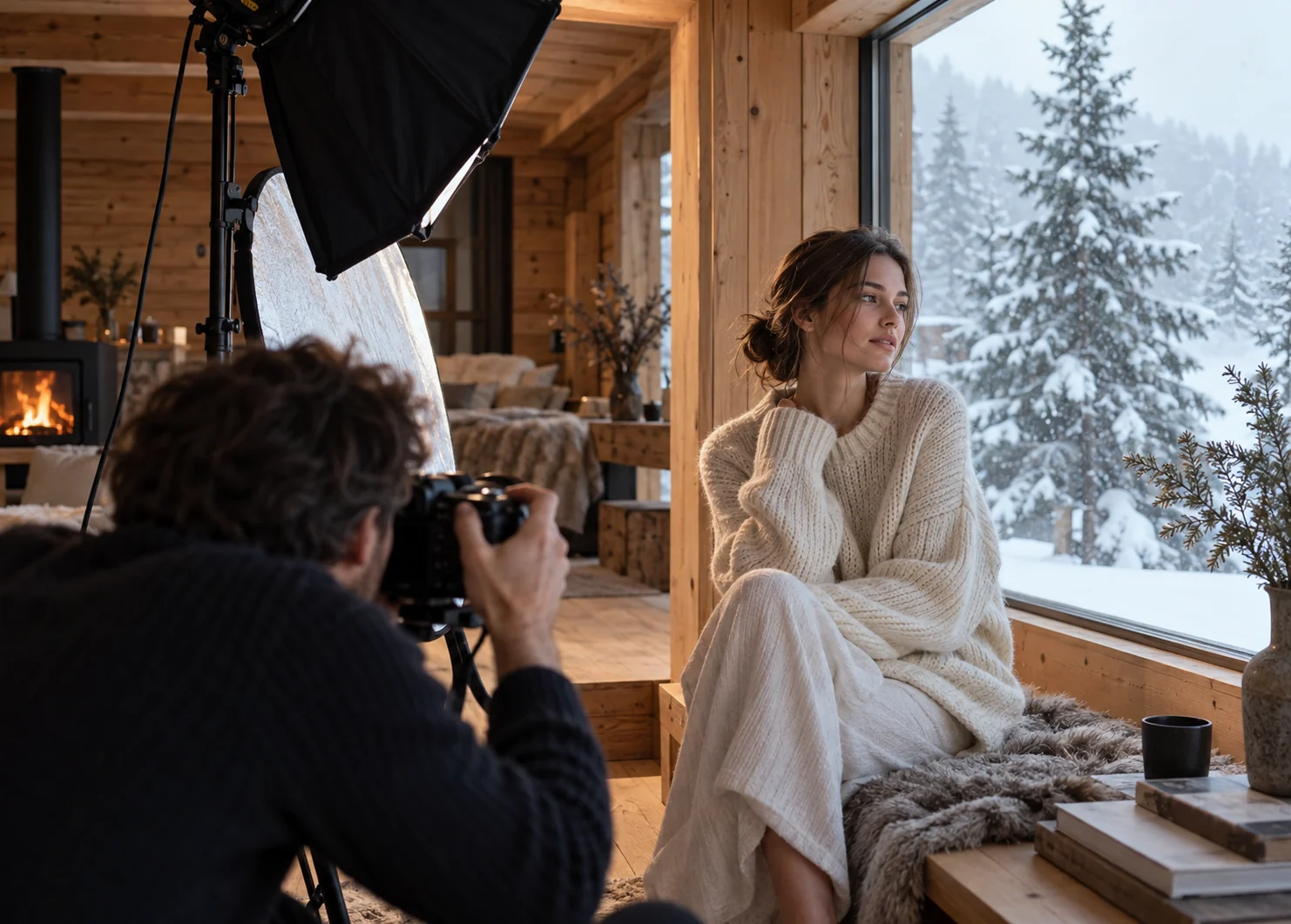
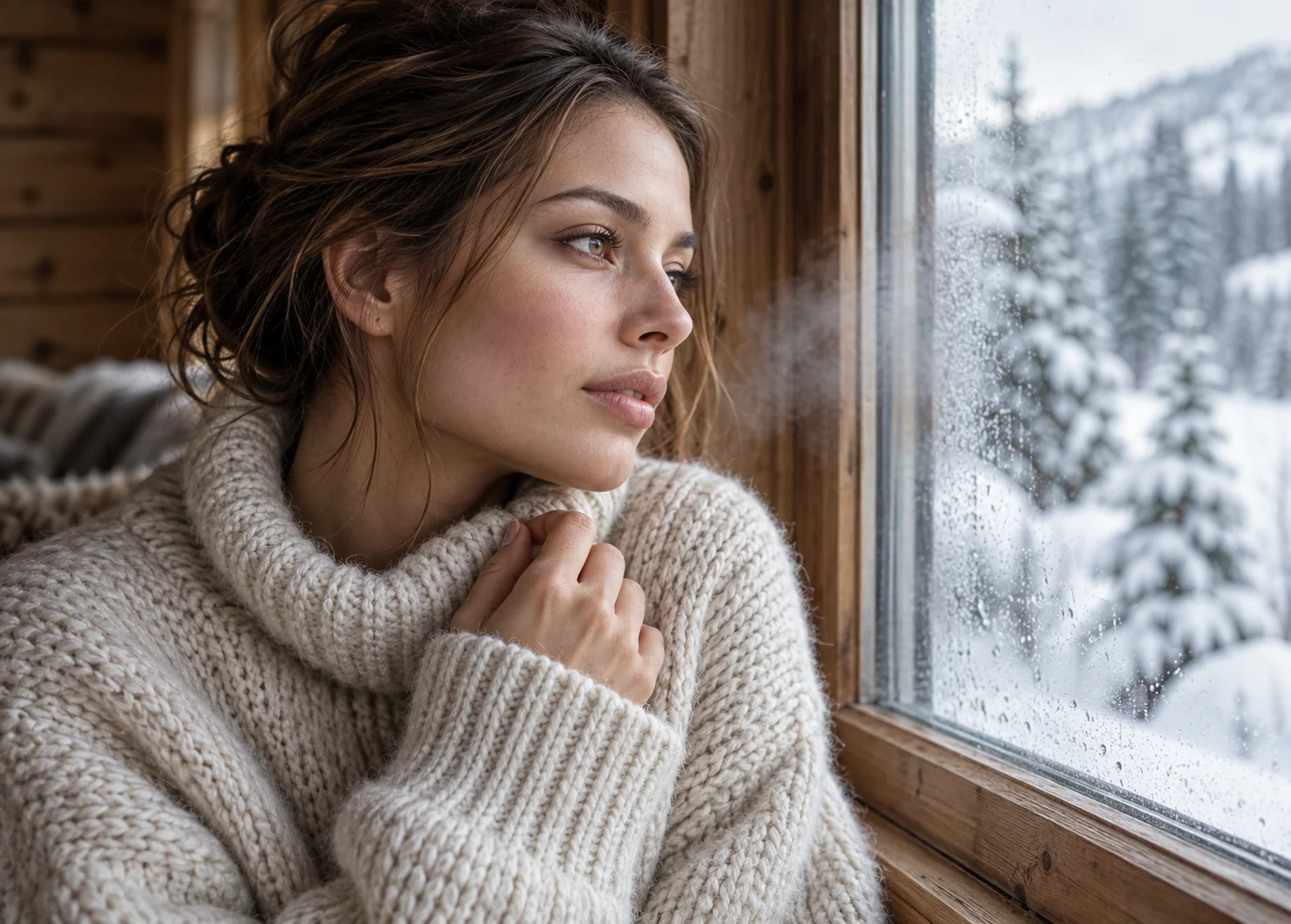
Half the hero frames came from those four hours. The model’s breath, the fogged glass, the wool catching snow — none of it was on the moodboard, and all of it made the final cut.
What we packed (and what saved us)
WHAT CAME WITH US
- Two daylight panels and a big diffusion frame
- Rain covers for everything — even the laptop
- A second set of every look, in case of snow
- Thermos, hand warmers, one very patient van
- frames delivered
- 248
- days on location
- 2
- snowstorm
- 1
What we’d do differently
Plan for the weather you don’t want. We now write two shot lists for every outdoor shoot: one for the forecast and one for the opposite. It takes an hour and it has already paid for itself twice.

Jon Reyes
PhotographerShoots campaigns and lookbooks. Happiest in bad weather with good light.
FROM THE PROJECT
Nordic Thread — Spring campaign
In reviewProgress72%
3 comments


Lena Krüger2 days ago
The fogged-glass frames are the ones our team keeps coming back to. Glad the road closed!
Jon ReyesAuthor2 days ago
Same — honestly the best accident of the year.
Alex ReyesYesterday
Two shot lists per shoot is now in our brief template. Thanks for writing this up.